Environmental
Flow measurement of water is an important aspect of many operations in the process & wastewater industries and a good understanding of the metering process remains central to the efficient monitoring of process and waste water. The reasons for flow measurement vary from process control, revenue calculation to environmental regulation. The required accuracy of flow measurement varies with application, as high as 10% for environmental regulation.
The many and diverse metering applications within the process & wastewater industries call for a wide range of metering technologies. For instance, magnetic flow meters are widely used in wastewater systems while open-channel meters are commonplace in monitoring flow in watercourses.
Typical dirty water flow applications include: measuring effluent and other outflows; monitoring the amount of water flowing through the heat exchanger in cooling towers; monitoring flow to the condensate return and of make-up water in boilers; monitoring discharge volumes of waste water from either rinse water or process waste; monitoring discharge quantity from the wastewater treatment plant.
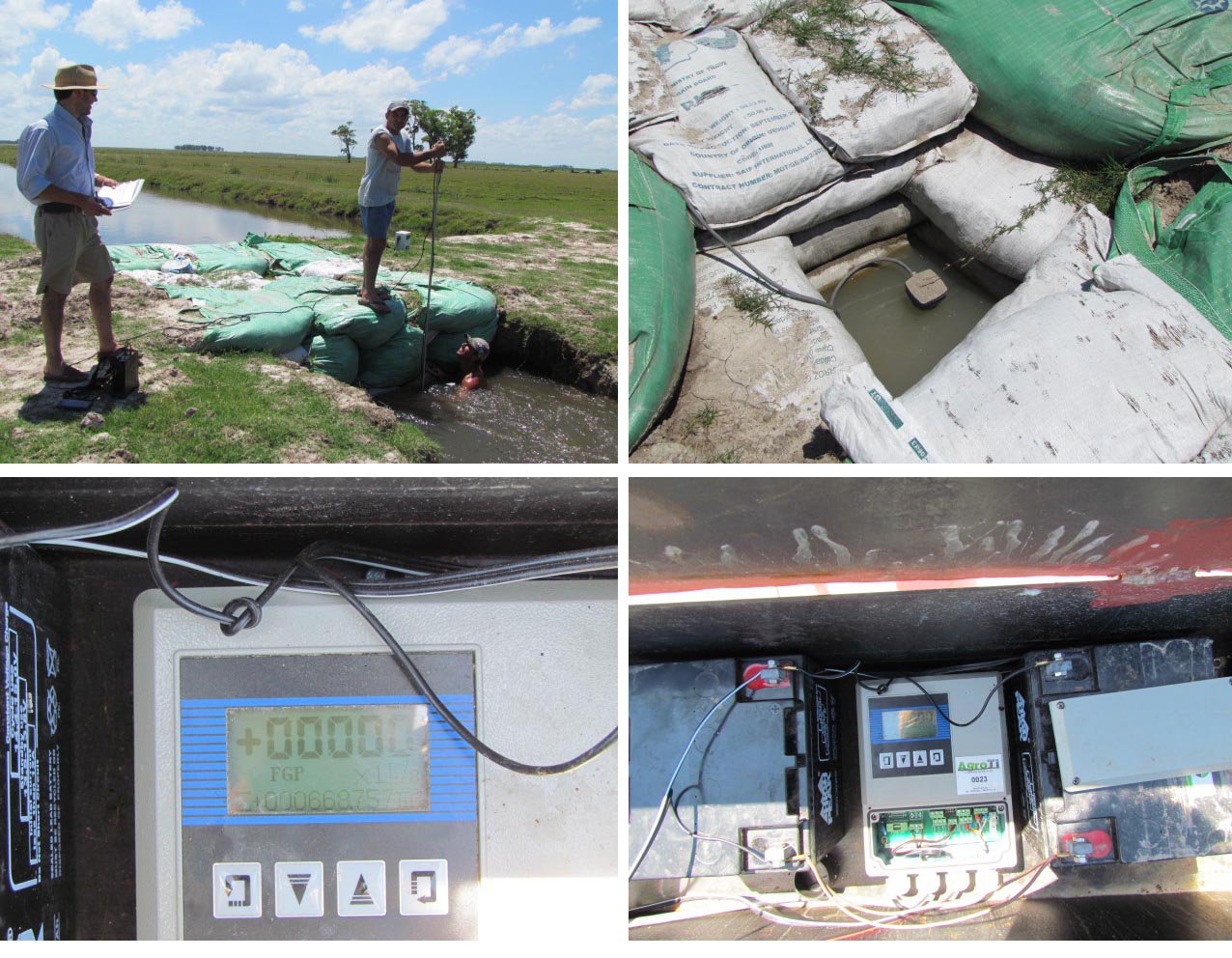
Case 1: Darhor Electromagnetic flowmeter used in stream processing of Uruguay city construction department.
The many and diverse metering applications within the process & wastewater industries call for a wide range of metering technologies. For instance, magnetic flow meters are widely used in wastewater systems while open-channel meters are commonplace in monitoring flow in watercourses.
Typical dirty water flow applications include: measuring effluent and other outflows; monitoring the amount of water flowing through the heat exchanger in cooling towers; monitoring flow to the condensate return and of make-up water in boilers; monitoring discharge volumes of waste water from either rinse water or process waste; monitoring discharge quantity from the wastewater treatment plant.
Case 1: Darhor Electromagnetic flowmeter used in stream processing of Uruguay city construction department.